
Touch Is a Language the Thinking Brain Can’t Fake
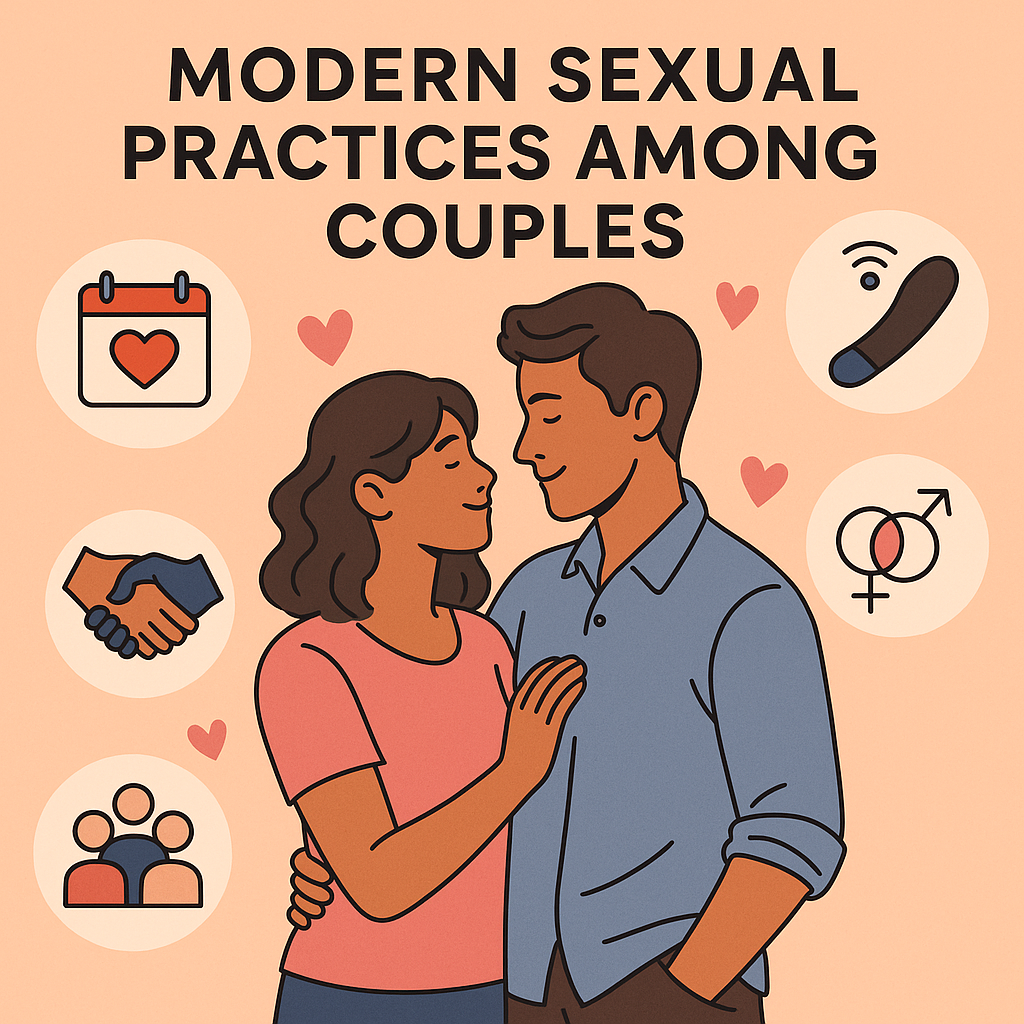
Ever wonder why some touches melt you instantly… while others feel empty, even irritating?
It’s not random. It’s not chemistry you either have or don’t. And it’s definitely not about pressure or fancy moves.
The truth is this: touch is a language wired deep into your nervous system. A language you can’t fake, shortcut, or replace.
And once you learn it, intimacy stops being a guessing game. It becomes something you can build—on purpose.
The Hidden Problem Most Couples Never Name
Here’s the quiet frustration almost everyone has felt:
The touches are there. The kisses are there. But somehow, the spark is not.
You tell yourself you’re tired. You blame stress. You assume desire fades naturally. But neuroscience says otherwise.
The real issue? Most people are “speaking” the wrong dialect of touch. They lean on technique, pressure, or performance when the body is listening for something else entirely.
That “something else” lives in a forgotten network of nerves beneath your skin. And it explains why some touches feel like connection… and others feel like static.
The Forgotten Channel Beneath Your Skin
Running just below the surface of your skin is a special kind of nerve fiber. Not the ones that tell you sharp from dull or hot from cold. These are different.
They’re called C-tactile fibers—and they are hardwired to detect one thing: slow, warm, rhythmic stroking.
When someone moves their hand at about 3–5 cm per second (roughly the speed of a gentle caress), those fibers light up. They send signals straight to the posterior insula, the brain’s home of felt identity. The message lands as: I exist. I matter. I belong.
Your orbitofrontal cortex then tags the experience as rewarding. At the same time, your amygdala—your fear and vigilance center—calms down.
In other words: the right kind of touch doesn’t just feel good. It literally tells your nervous system you’re safe.
Why Pressure and Technique Fail
Here’s where most couples stumble.
They confuse touch with performance. They think more pressure means more passion. They try new positions, faster rhythms, more intensity.
But C-tactile fibers don’t respond to pressure. They don’t fire faster because you do more. They respond to tempo, warmth, and presence.
That’s why a rushed massage feels like sandpaper. That’s why a distracted hug feels empty. The nervous system can’t be tricked.
Touch without presence is just motion. And the body knows the difference.
Your Brain’s Map of Desire Can Be Rewritten
Now here’s the revolutionary part: your somatosensory map is plastic.
That means your brain isn’t fixed in how it experiences touch. It learns. It rewires. It adapts.
Every time you receive attuned, steady, rewarding touch, your brain reshapes its salience network—the circuitry that decides what to prioritize. Over time, pleasure becomes not just a nice extra, but a built-in expectation.
This is why couples who cultivate presence in touch don’t just “maintain the spark.” They actually grow it. The nervous system carves deeper grooves of desire with every round of reinforcement.
Ignore this, and touch becomes flat. Learn it, and you unlock a feedback loop where closeness intensifies instead of fading.
The Psychology of Attunement
Intimacy works like bandwidth. Most people think they need to pump in more signal—more moves, more novelty, more tricks. But the line isn’t weak. It’s noisy.
The fix is simpler than anyone expects:
- Mirror breathing. Sync your inhale and exhale.
- Keep tempo steady. Don’t rush, don’t jitter. Stay consistent.
- Narrate sensation. Small cues like “slower here” or “more here” sharpen clarity.
- Reinforce with praise. Gratitude is a nervous system feedback loop. Bodies repeat what they’re thanked for.
These micro-adjustments transform touch from random chance into reliable connection.
The shift isn’t about doing more. It’s about doing less, more precisely.
Touch Is Intimacy, Not the Prelude
Here’s the identity-level shift most people miss:
Touch is not a warm-up for intimacy. It is intimacy—rendered directly in nervous tissue.
Every caress is a sentence. Every pause is punctuation. Together, they tell a story your body can’t misread.
Once you see this, everything changes. Intimacy stops being something that begins later. It’s already happening in every moment of touch—if you know the grammar.
The Cost of Getting It Wrong
Here’s the urgency most people ignore: neglect this language, and relationships slowly starve.
It doesn’t happen in dramatic breakups. It happens in silence. The touches become routine. The nervous system tunes them out. Desire drifts—not because it died, but because it was never fed.
This is the hidden cost of inattention: connection doesn’t collapse—it erodes.
The antidote is not another trick, another position, another book. The antidote is learning to speak the language the nervous system has been waiting for all along.
How to Practice the Language of Touch
Ready for the practical blueprint? Here’s where to start tonight:
- Slow your hand. Aim for that 3–5 cm per second pace. Yes, it will feel unnervingly slow at first. That’s the point.
- Stay warm. Cold hands shut down C-tactile fibers. Warmth is part of the message.
- Match rhythm. Sync with your partner’s breathing. Their body will unconsciously mirror yours.
- Speak as you touch. Use small, clear cues: “softer here,” “linger there.” This isn’t micromanaging—it’s tuning the instrument.
- Reinforce with gratitude. End with praise. “I love when you touch me that way” isn’t fluff—it’s instruction for the nervous system.
Do this regularly, and your nervous system begins to expect intimacy as the norm, not the exception.
Why This Is Deeper Than Technique
This isn’t about tricks. Tricks wear off. Novelty fades.
This is about rewiring your nervous system for belonging. It’s about teaching your body, over and over: I am safe, I am desired, I am home here.
Once your body learns that story, desire stops being fragile. It becomes durable. Reliable. Repeatable.
That’s the difference between a relationship that runs on adrenaline… and one that runs on trust.
The Takeaway You Can’t Unhear
Touch is the most honest language on Earth.
You can fake words. You can fake performance. But the nervous system always knows when presence is real.
Learn to speak the language of C-tactile touch, and you’ll never settle for mechanical again. Intimacy will no longer be something you chase. It will be something you live in.
Your Next Step
Don’t wait for desire to “come back on its own.” Don’t wait for the spark to magically reignite.
Tonight, slow down. Warm your hand. Breathe in sync. Let every stroke be a sentence that says: you matter here.
Because once you start speaking the body’s language, the body always answers.